At [Your Company Name], we are dedicated to building strong global trade connections by sourcing and delivering high-quality commodities to markets worldwide. As a newly established export/import merchant, we bring a fresh approach to international trade — combining agility, transparency, and a commitment to excellence.
Our portfolio covers a wide range of products, from agricultural goods, spices, and textiles to industrial materials, machinery, and specialty commodities. By working closely with trusted suppliers and buyers, we ensure every shipment meets the highest standards for quality, compliance, and timely delivery.
While we are a young company, our team brings valuable industry insight and an unwavering passion for connecting businesses across borders. We aim to create lasting partnerships built on trust, reliability, and mutual growth.
We source high-quality products from trusted international suppliers, manage logistics, and ensure smooth customs clearance so that businesses receive goods on time and at the best value.
We help local manufacturers and producers reach global markets, handling documentation, shipping, and compliance to deliver your products safely worldwide.
In 2023, India was the fifth-largest importer of organic chemicals globally, with China, the United States, and Kuwait as its top suppliers. The primary drivers for organic chemical imports are increasing domestic demand, the significant growth of India's manufacturing sector, and limitations in domestic production due to insufficient feedstock. Key imported organic chemical categories include acyclic alcohols, ketones, and esters, which are essential for industries like dyes, perfumes, and fragrances.
India is a major global steel producer but also a net importer of finished steel, with recent data showing imports exceeded exports in FY 2023-24 and the first few months of FY 2024-25. Iron ore imports, driven by domestic demand and shortages, reached a six-year high in November 2024, with Australia being the largest supplier. Top import sources for steel include China and Vietnam, with China holding a significant and growing share of India's steel imports.
Various Petroleum Products & Their Uses
As a matter of fact, petroleum or crude oil is also known informally as ‘black gold’ and sometimes as ‘liquid gold’. That’s because prices of crude oil are decided internationally. Crude oil is necessary for lots of things. Surely, you would know some of the uses of petroleum products, that’re derived from crude oil. Here I will discuss some of the common petroleum products and their uses.
Aviation Turbine Fuel or ATF is used by passenger, cargo and fighter aircraft as fuel. It is a mix of petrol and some other components that make it suitable for use by aircraft engine. It is made keeping in mind, the high speed at which aircraft need to travel from one location to another.
This is the most common type of petroleum product. That’s because it is the fuel for cars, scooters, motorcycles and other domestic and commercial vehicles. In some countries such as USA, petrol as we know it in India is also called gasoline. This is the most widely used petroleum product around the world.
Trucks, certain kinds of ships and submarines and lots of other commercial vehicles run on diesel, which is also one of the most widely consumed petroleum products around the world. As a matter of fact, the Indian Railways also runs locomotives or engines that operate on diesel. Furthermore, diesel is also used for generation of electric power in India and elsewhere in the world.
Known commonly as ‘ghaslet” in India, kerosene is widely used for cooking and heating purposes. It also finds its uses as a solvent for paints and other chemicals in India. In rural India as well as urban parts of the country, kerosene is widely used in cooking stoves as a substitute to cooking gas. Furthermore, kerosene is also a vital component of Aviation Turbine Fuel (ATF).
Fuel oil is commonly used for lamps, heaters, stoves, engines and lanterns in India. This is also one of the most common type of petroleum products because it is the energy source for industries that use boilers and furnaces. Fuel oil also drives juicing machines as well as machinery used for farming, quarrying, mining and certain types of ships.
Napalm is mainly used in weapons. It is a form of condensed, high density petroleum product and is extremely inflammable. Incendiary bombs use napalm because it catches fire and spreads rapidly over the area where it is dropped. It is used as a petroleum-based explosive in defense products, especially bombs.
Surely, you’ve used polyurethane. It is the basic component of foam that goes into your mattress and pillows. Not many people are aware that petroleum derivatives are also used to manufacture polyurethane, which is a common, household product too.
Paraffin is used in making candles and sometimes, as a fuel for vintage toys. The medical grade of paraffin wax is also used for manufacture of certain beauty products and skin crème. Paraffin wax also goes into making certain kinds of explosives.
Naphtha is a very common solvent and is used for making pains, skin crème and beauty products, dry cleaning at laundries and other such purposes. We also get food grade naphtha which is used as wax coatings for certain products such as cheese. Food grade naphtha wax can be used for coating fruits to ensure they have a longer shelf life.
In India, bitumen is commonly used in the construction of roads and runways at airports. Bitumen is also used for waterproofing. We can get bitumen sheets that’re used while building roofs to ensure they’re waterproof. Bitumen paper is also used for coating pipelines and electrical cables. A common name for bitumen derived from petroleum in India is ‘tar’. Though actually, ‘tar’ refers to a byproduct of charcoal.
Who doesn’t know polyester? It is a component of the clothes that we use daily. Normally, most clothing nowadays is made by mixing cotton and polyester fabric to give wrinkle free and crease free clothing. Polyester is commonly used in the textile industry. It is also one of the most common petroleum products in use worldwide.
And finally, Liquefied Petroleum Gas or LPG that we use commonly at home for cooking. LPG is a blend of propane and butane gases that are generated by processing crude oil. These gases can be easily liquefied and supplied in cylinders or piped to homes for cooking purposes. In most countries around the world, LPG is the main fuel for cooking.
Introduction
The leather industry has a significant impact on the Indian economy. It is among the top ten foreign exchange earners for the country.
Indian cattle & buffalo population accounts for 20% and the goat sheep population of the country accounts for 11% of the world’s total. This places it in a dominant position in terms of affluent raw material availability.
With the leather industry being among the oldest trade in the country, India has a strong skilled manpower and innovative technology. The country has a strong and eco-sustainable tanning base and modern manufacturing units. It also has strong support from the leather chemical and auxiliary industries. The industry employs about 4.42 million people in the country. It is a prominent source of employment in the rural parts of India with women employment at about 30% in the sector
India's handicraft exports are diverse, including woolen items, woodwares, textiles, imitation jewelry, art metal wares, and carpets, which contributed over ₹32,758 crore in 2023-24. The sector is labor-intensive and significant for rural livelihoods, receiving government support through initiatives and councils like the Export Promotion Council for Handicrafts (EPCH). Major export markets include the USA, UK, and Germany, and the industry is growing due to increasing global demand for handmade and eco-friendly products.
Key Handicraft Exports from India
India imports millions of dollars worth of pearls, precious stones, metals, and coins, with significant trade in diamonds and gold. In 2024, total imports for this category were approximately $69.77 billion, driven by significant imports of diamonds and other precious stones, which accounted for the majority of the value. China is a key import partner for precious stones and pearls, while the UAE is a major supplier of gold.
India imports substantial amounts of electronics, with imports of telecom, electrical, and electronic products reaching USD 89.8 billion in 2023-2024, primarily from China and Hong Kong. Key imported products include communication devices, batteries, transistors, diodes, and various semiconductor devices. Importing requires navigating regulations, including obtaining an Importer Exporter Code (IEC), ensuring product compliance with standards like BIS (Bureau of Indian Standards) and WPC (Wireless Planning and Coordination) for specific devices, and complying with e-waste management rules.
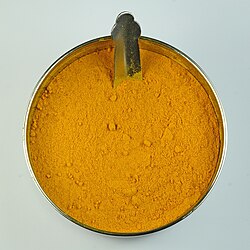
India's spice exports are led by red chilli, cumin, and spice oils, with major destinations including the USA, China, and the UAE, reaching a record value of USD 4.46 billion in the financial year 2023–24. The country is a global leader in spice production and consumption. However, the industry faces challenges with quality control, particularly pesticide residue concerns, leading to import restrictions in some countries.
Top Spices:
Red chilli is the leading export by value, followed by cumin and spice oils and oleoresins. Other significant exports include mint products, turmeric, and curry powders.
Major Export Destinations
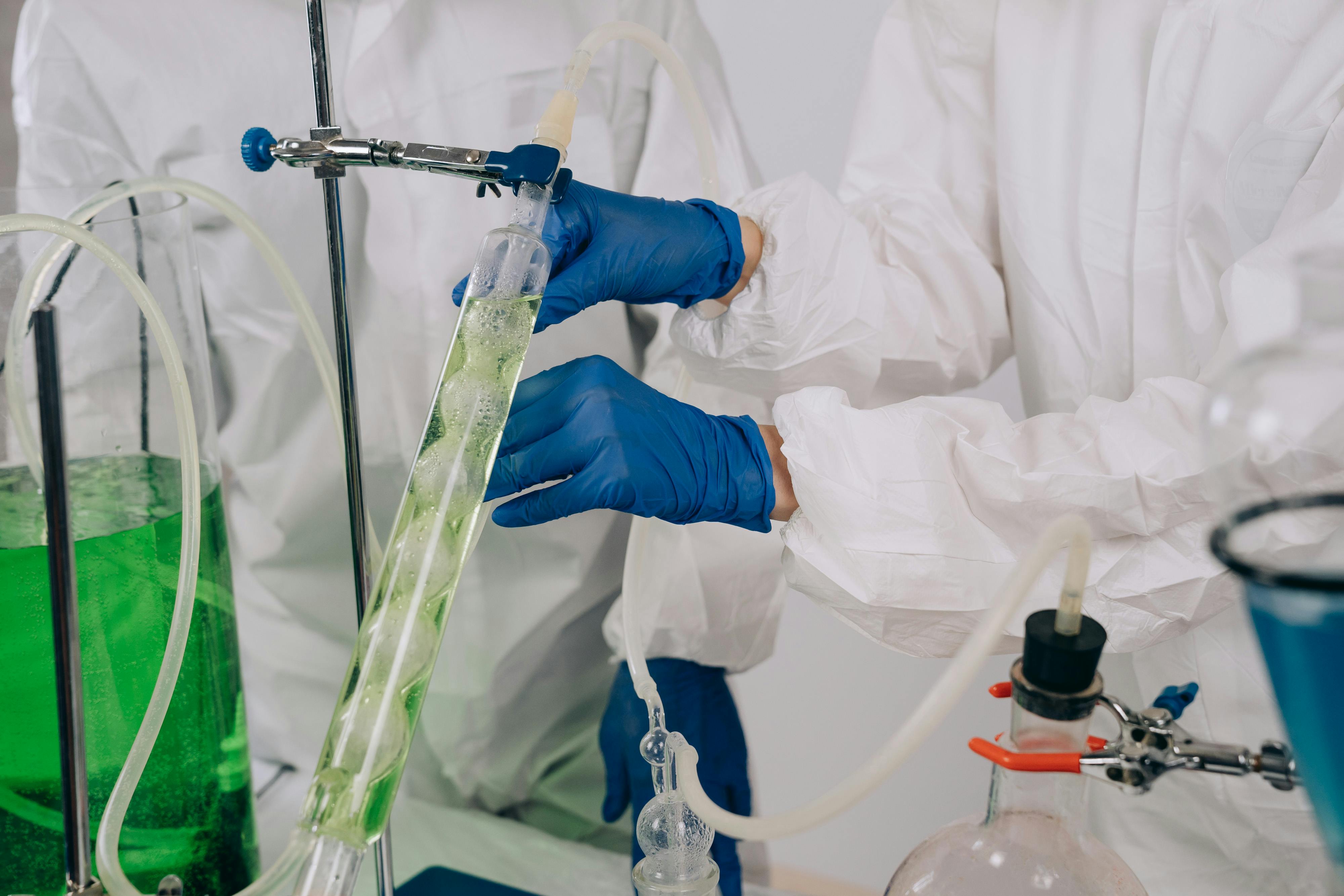
The inorganic chemical exports of India for the fiscal year 2023–24 include sulfuric acid, hydrochloric acid, sodium hydroxide, and many more products highly essential to the world’s industry. Products are mainly from the biggest markets to the United States, Europe, China, and the Middle East. It serves various industrial purposes ranging from fertilizers to chemical processing. This is one sector where challenges in the way of price volatility and strict regulations, among others, are prevailing but there is an opportunity of market expansion and improvement of sustainability. It reflects the critical importance of India’s inorganic chemical exports in meeting global industrial demands.
Inorganic chemicals highly contribute to India’s chemical sector exports and form one of the major shares within India’s overall chemical trading. Applications of these types of chemicals can be realized in diversified industries such as agriculture, manufacturing, building, and pharmaceuticals and many others. Apart from their utility, competitive pricing in India and strategic market access in the global trade further drive demand for inorganic chemicals.
In 2023–24, a shift was seen in India’s export sector of inorganic chemicals. Several chemicals came into the limelight due to their increasing industrial demand and key destinations. The article talks about the top 10 inorganic chemicals exported from India, mentions their main destination points, and also discuses diversified industrial applications.
The manufacturing of electronics in India is expanding significantly. In FY23, the sector's domestic production value surpassed $101 billion, indicating its potential for continued expansion. By 2030, India's electronics output is projected to reach US$240 billion, making the nation the largest exporter of electronics in the world.
India ranks third in the backend semiconductor manufacturing attractiveness index and is the world's second-largest producer of mobile phones.
The percentage of different types of electronics produced in India:
Lorem ipsum dolor sit amet, consectetur adipiscing elit Integer nec odio.